Now on air
04:15
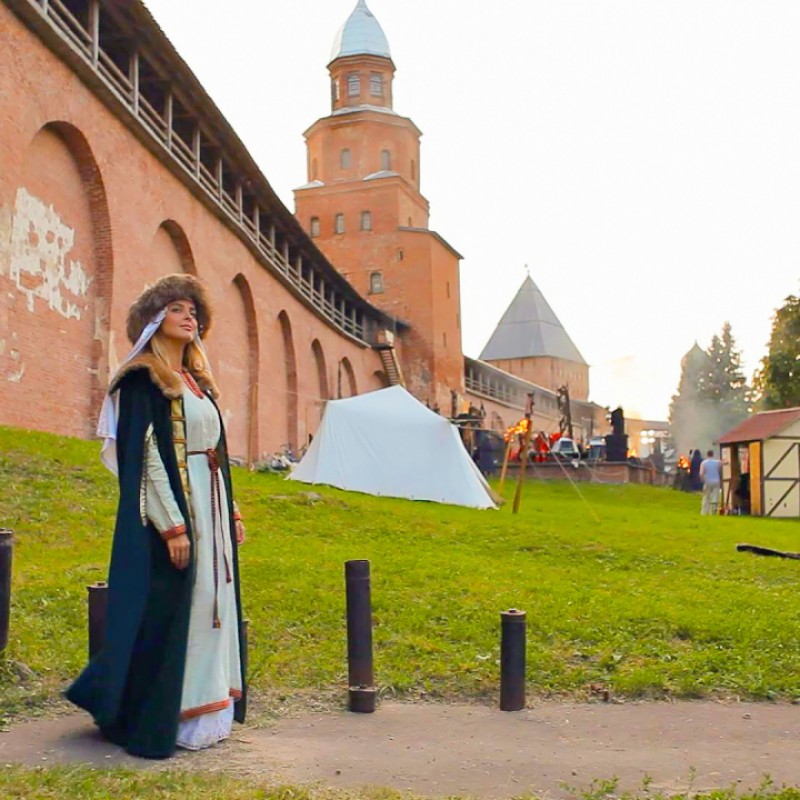
Just what is the Novgorodian Assembly? It is a legislative body that can be compared to the modern-day State Duma. In Novgorod the highest authority of power was the people’s assembly, which was called the «Veche». There citizens discussed the most important issues concerning domestic and foreign policies – questions such as the crowning and expulsion of princes, instances of war and peace and unions with other states. Nowadays there is a bright theatrical show of the same name taking place in Veliky Novgorod. The modern Novgorodian «Veche» helps guests to immerse themselves in the past. There tourists can see how the old «Novgorodka» coin was minted, taste classic Novgorodian cuisine and try on outfits boyars once wore.
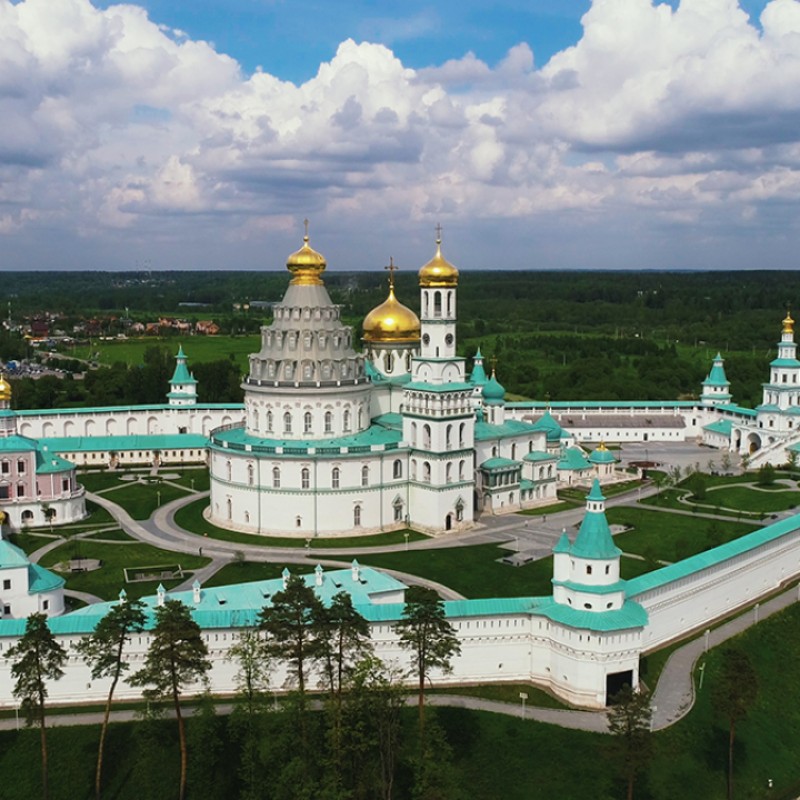
It is easy to go back in time here, back to the 17th century, when Nikon, then the Patriarch of Moscow and All Russia, dreamed of building a retreat that would bear witness to Holy Rus’ faithfulness and its role as the keeper of the law and word of the Lord – an earthly estate for the Heavenly King. The patriarch, known for his ecclesiastical reforms, succeeded in reconstructing the Church of the Holy Sepulcher. Neither before nor after Nikon has anyone been able to reproduce the ancient architectural miracle so perfectly. Nikon proved himself a true innovator, confirmed by the archeologists who carried out the church’s massive restoration. The scholars turned back the clock and managed to reveal new facts from the past. It turns out that the monastery near Moscow was once a hub of folk craft and ecclesiastical art. Those in the know claim they have never seen such amazing tile specimens...